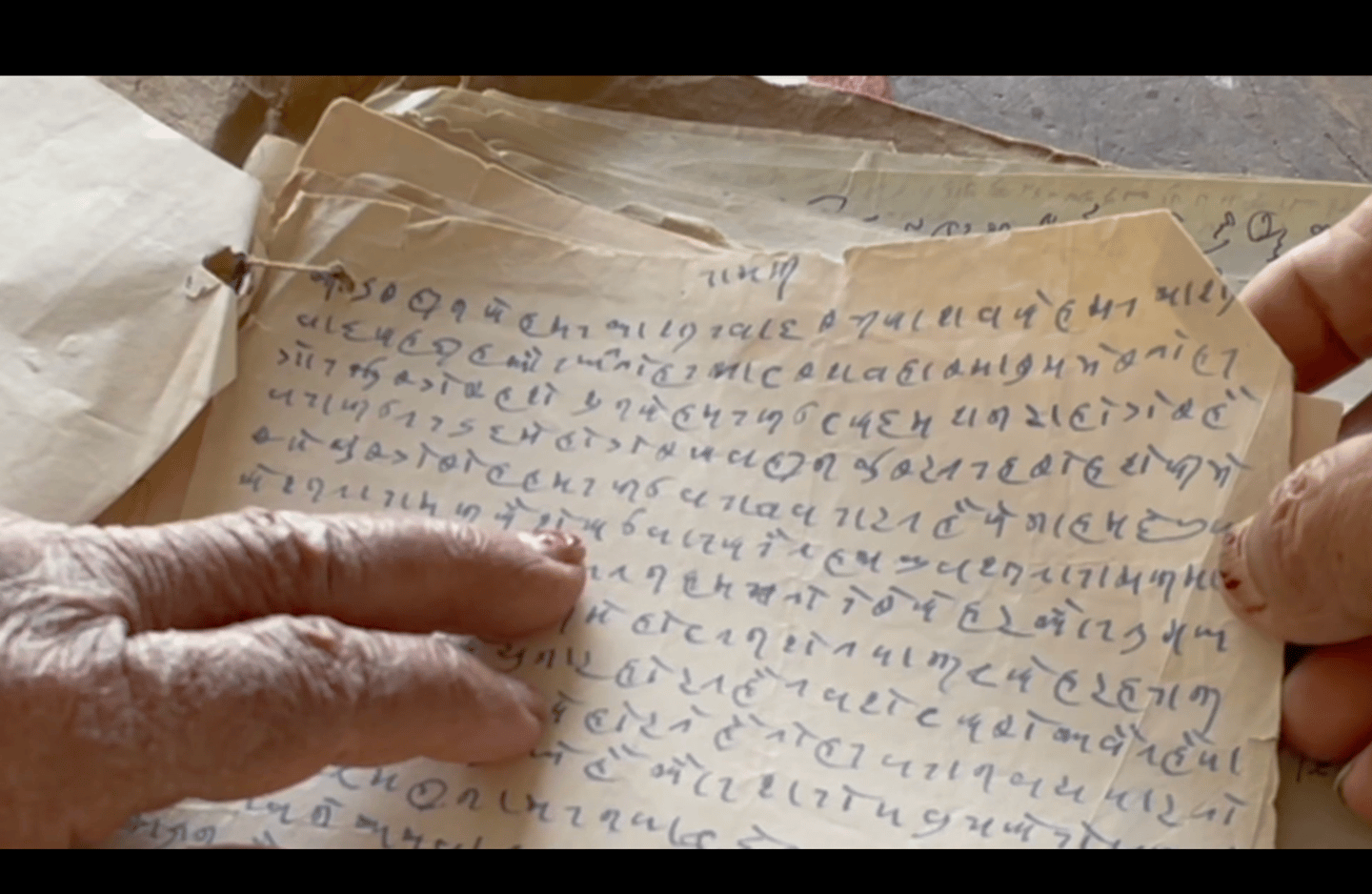
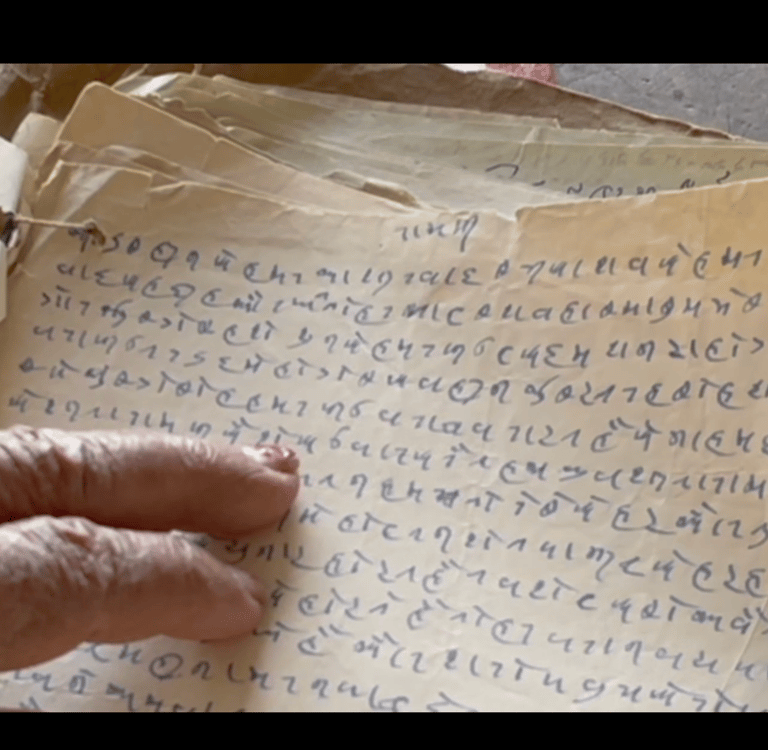
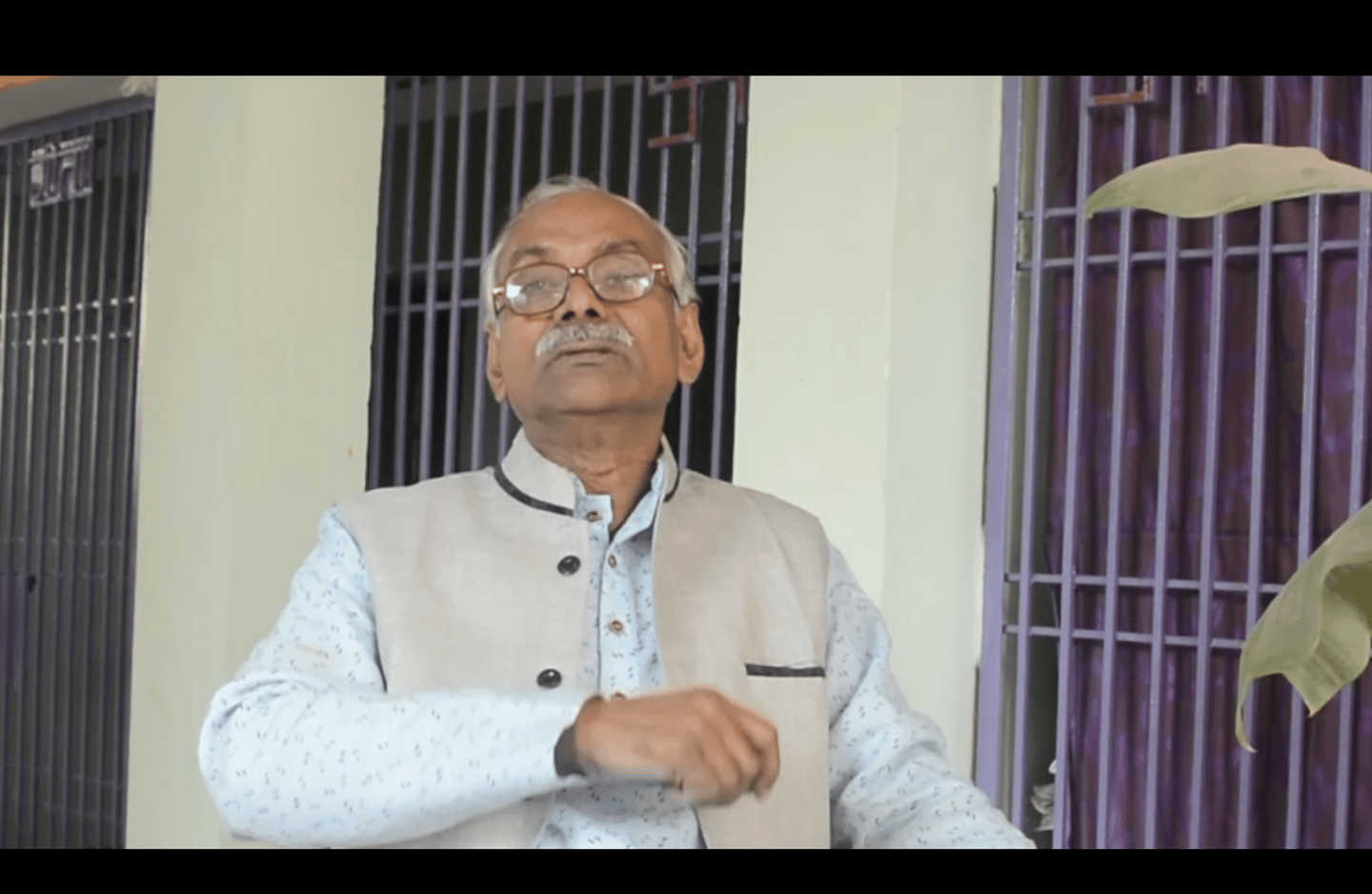
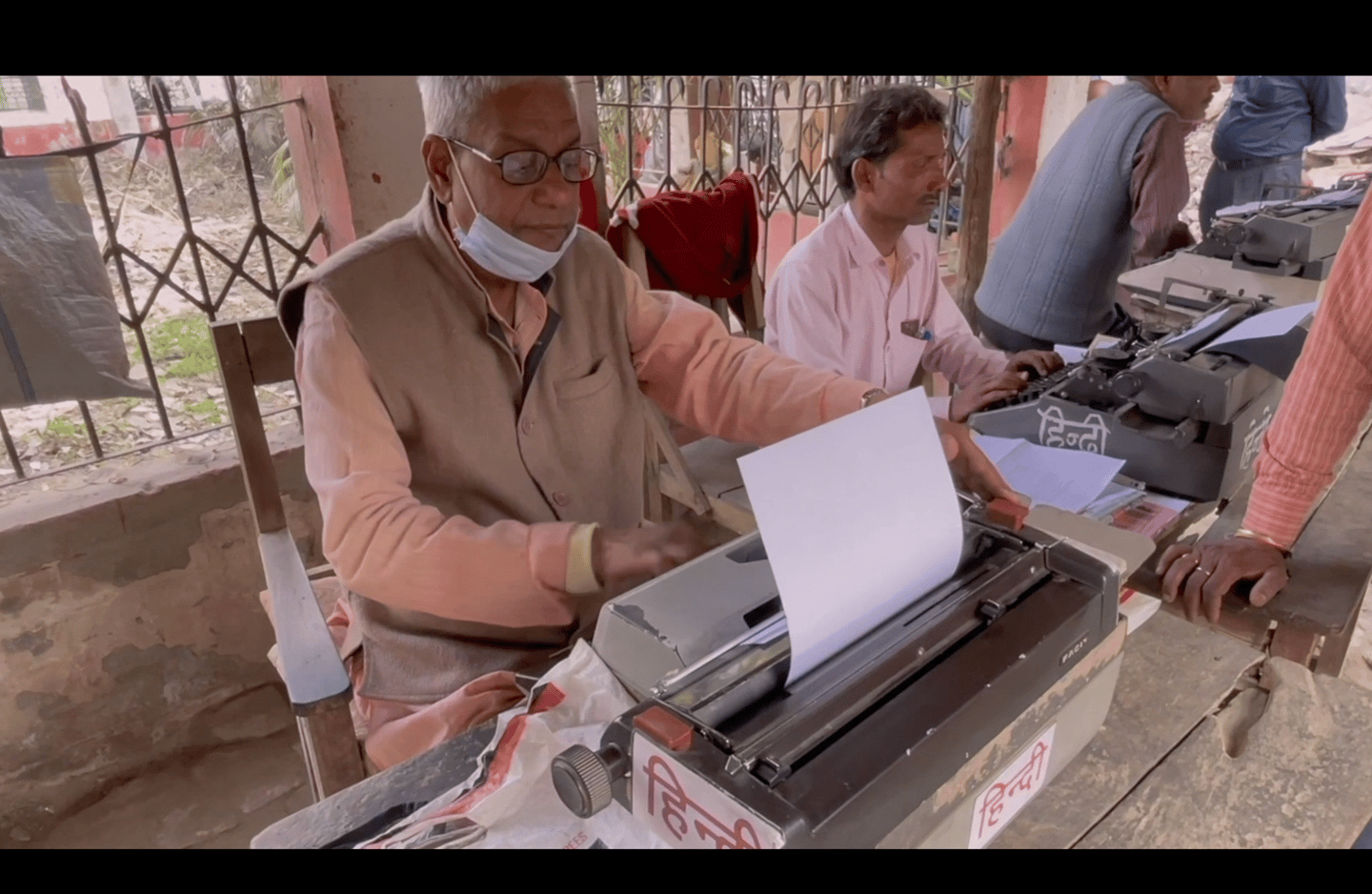
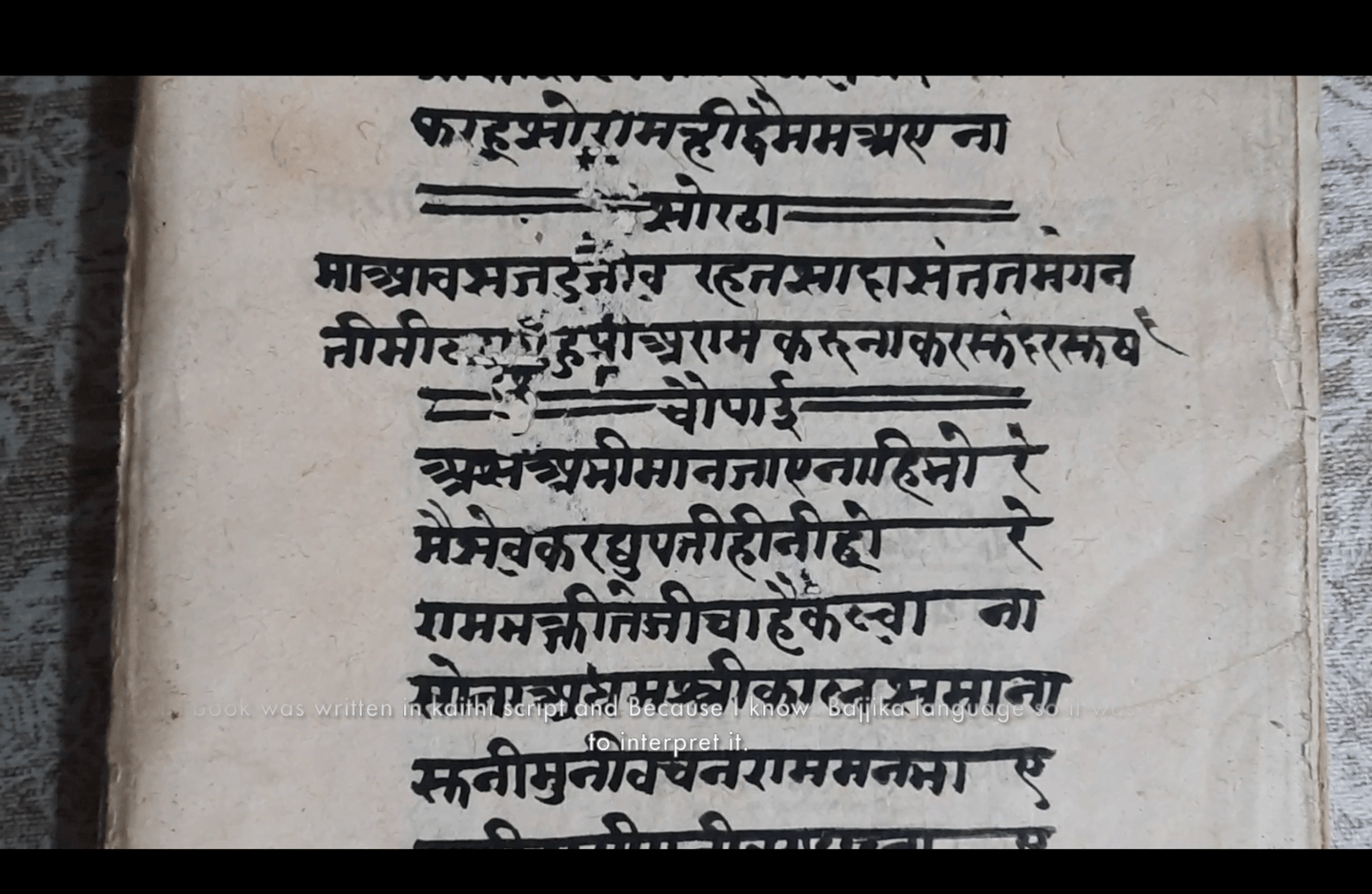
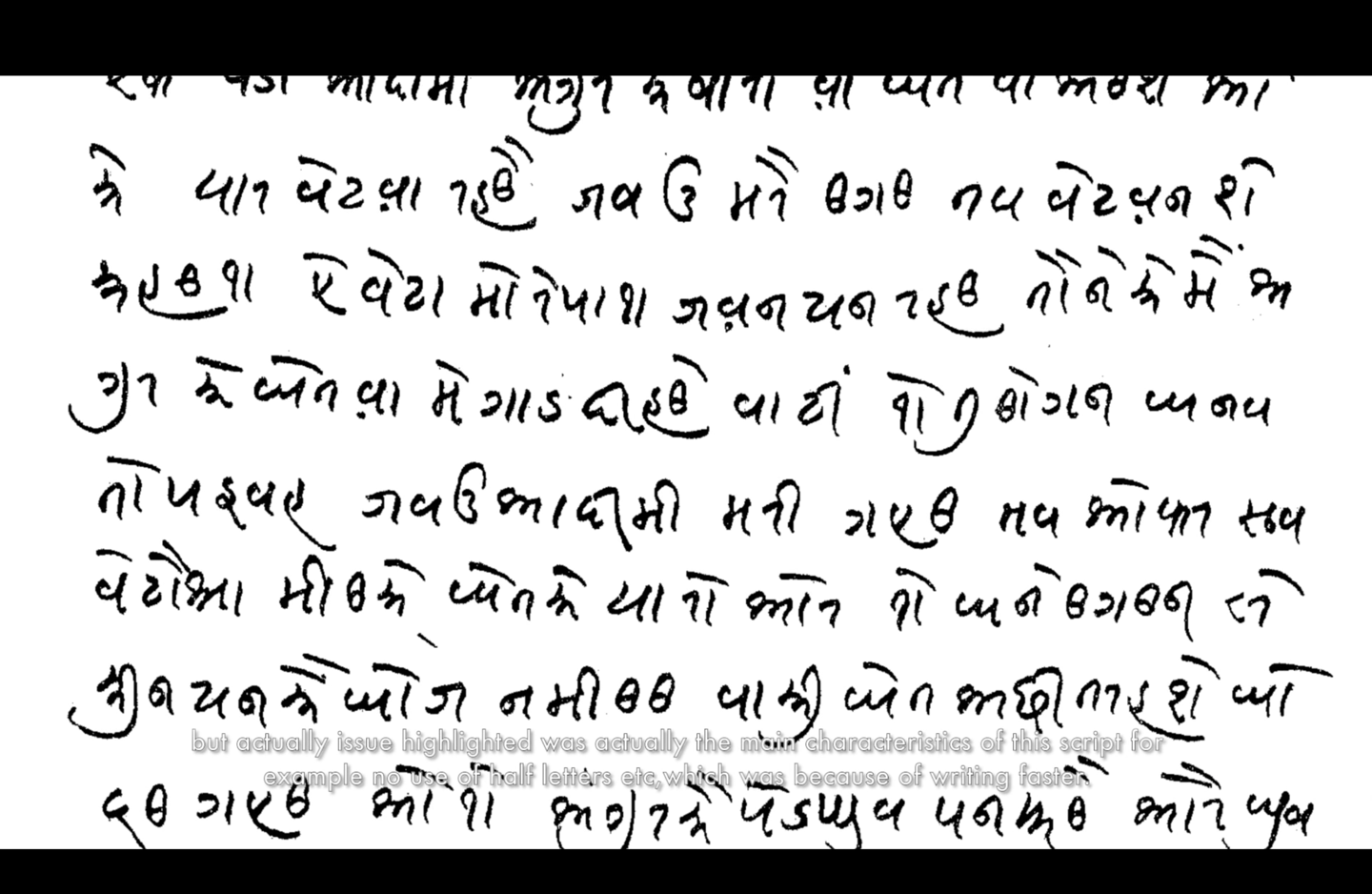
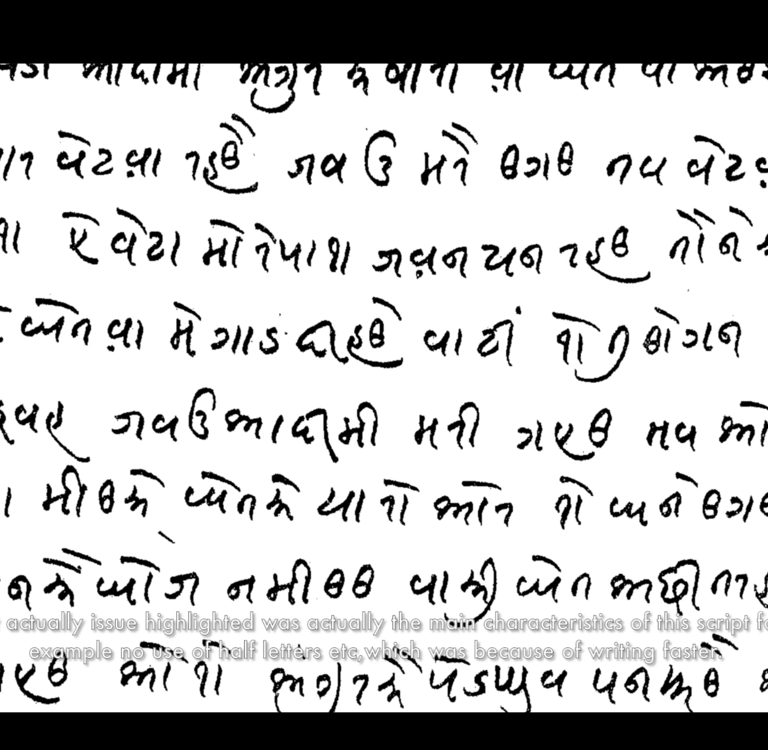
The Kaithi Project explores the Kaithi script as an indigenous socio-cultural system rather than merely a writing form. Using design anthropology and systems thinking, the project examines its historical use, visual logic, and living legacy, as well as its contemporary relevance, with the aim of foregrounding local epistemologies within design education and practice.
Project Overview:
Kaithi Ek Dharohar project explores the Kaithi script as an indigenous socio-cultural knowledge system. Using design anthropology and systems thinking, the project examines its historical role, living legacy, and contemporary relevance to foreground local epistemologies in design education and practice.
Problem Statement:
Despite being a significant linguistic legacy, the Kaithi script is currently endangered, with only a small number of individuals remaining who can read and understand it proficiently.
Challenges:
A key challenge addressed in this research is the endangered condition of the Kaithi script, with very few individuals today possessing the ability to read, write, or interpret it with proficiency. This decline has resulted in limited access to a vast body of historical, cultural, and administrative knowledge embedded within Kaithi texts.
Another major challenge lies in the interpretation of archival records, particularly land documents, court records, and administrative materials written in Kaithi. The lack of trained experts and standardised methods for transcription and translation has made these documents difficult to decode, often leaving historical land disputes unresolved and valuable legal evidence inaccessible.
The absence of formal institutional and governmental recognition further exacerbates the marginalisation of Kaithi. Despite its historical use as the official script for Bhojpuri and other regional languages, Kaithi has not been formally integrated into contemporary education systems, digital standards, or policy frameworks.
Additionally, the loss of intergenerational transmission has weakened the script’s continuity, as Kaithi is no longer part of everyday literacy practices. This poses challenges not only for preservation but also for exploring its relevance within modern design, communication, and knowledge systems.
Design Process:
Pre-Production
Defined the purpose, audience, and scope of the project.
Conducted research to develop the narrative around the idea of Dharohar (heritage).
Structured the film into segments covering the history, spread, and decline of the Kaithi script.
Created storyboards to visualise and refine the narrative flow.
Production
Carried out field visits and on-location filming based on the finalised script.
Post-Production
Organised the film into three segments:
Personal story
Introduction to Kaithi, including its history, spread, and decline
Contemporary efforts toward revival
Completed editing, colour correction, background music, and voice-over.
Medium for the Project :
Film has been chosen as the medium for this project because it allows the message to reach a wider audience effectively. Through storytelling, the medium helps convey the emotional, cultural, and cognitive connections of the Kaithi script to the lived experiences of people of its time.
Final Documentary Link