MAKING ENDS MEET
Project Overview:
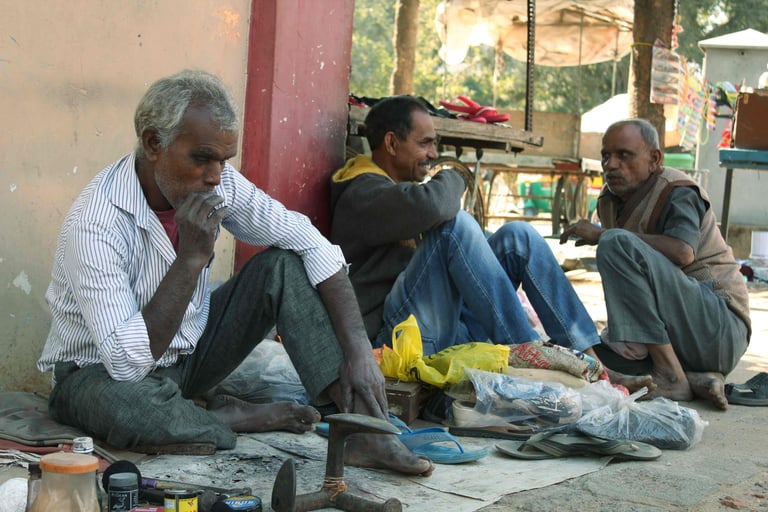
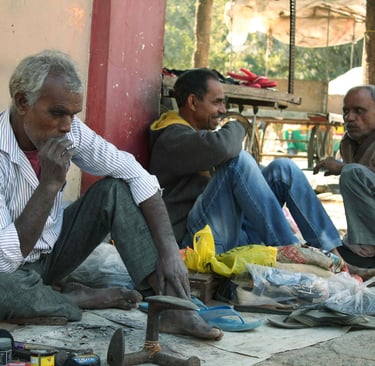
Making Ends Meet is an ethnographic photo project documenting the everyday life and livelihood of a roadside cobbler in Gandhinagar. Through observation and photography, the project explores informal labour, social relations, and survival within the urban marketplace.
An Ethnographic Photo Narrative
Setting the context
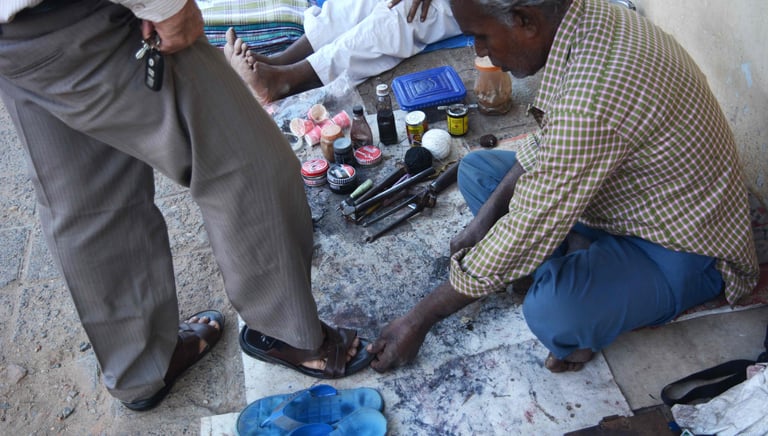
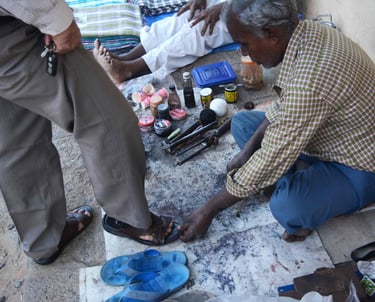
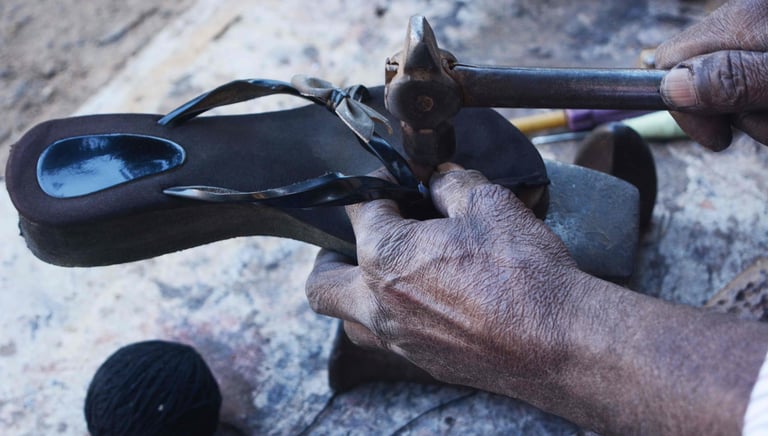
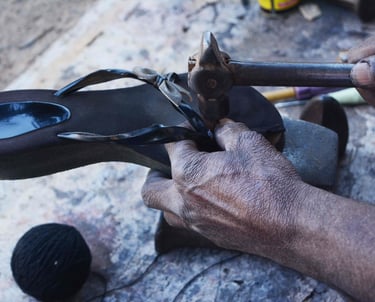
This ethnographic project documents the everyday life and livelihood of a roadside cobbler operating in Sector 21 market, Gandhinagar. Situated within a dense network of vendors, a fruit market, and a nearby church, the cobbler’s workspace depends heavily on footfall, visibility, and long-term occupation of place.
Workspace
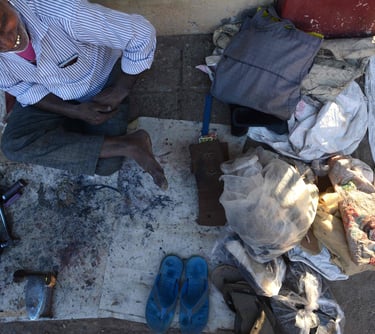
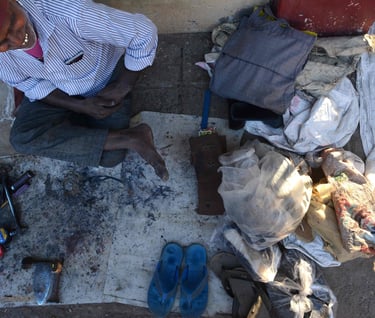
Workspace
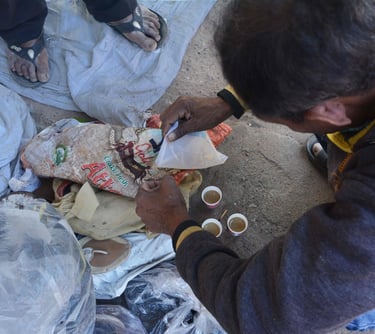
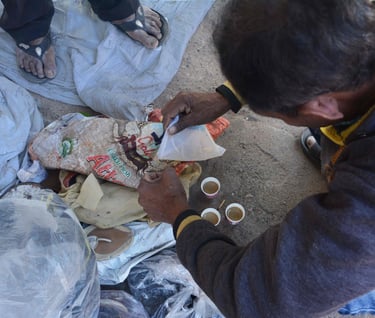
Social interaction
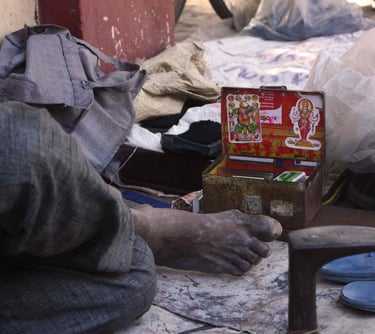
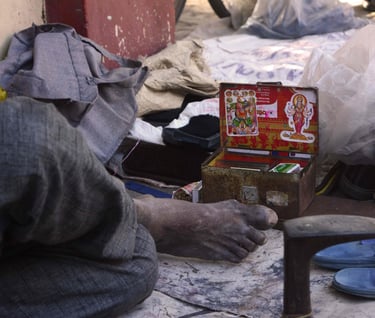
Cultural belief
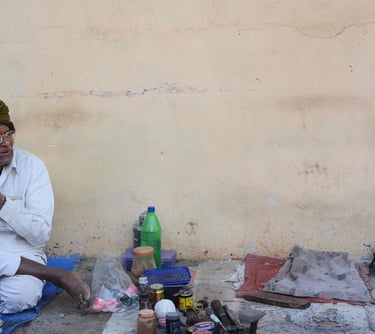
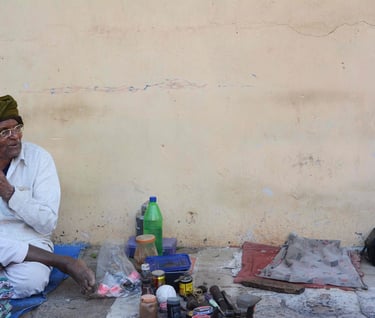
The study focuses on Natubhai Koddarbhai Waghela (58), who has worked as a cobbler at the same location for nearly three decades. Having shifted from farming and contract labour due to irregular wages, his practice of footwear repair and shoe polishing reflects both economic adaptation and occupational continuity. His workspace—informal, rent-free, and strategically located—offers advantages, but also constraints related to storage, lighting, legality, and vulnerability.
Beyond livelihood, the project explores social relations, caste identity, and dignity of labour. While Natubhai asserts social equality, his hesitation to openly discuss caste and his desire for his son to leave the occupation reveal deeper structural inequalities associated with cobbler communities. Religious devotion, kinship-based vendor networks, shared routines, and everyday acts of mutual support form an important social ecosystem around his workspace.
The project also examines the impact of industrial footwear and disposable consumer culture on traditional repair practices. While cheaper mass-produced footwear has reduced repair demand, cobblers remain essential for services that formal retail systems do not provide.